Gum Disease Treatment Edison
Fighting Your Infected Gums

Some form of gum disease affects about half of the adults in the U.S. For some individuals, their condition can be reversed with a few adjustments to their oral hygiene routine and regular visits to their dentist. Other people, however, require more extensive treatment. Thankfully, we offer conservative but effective ways to fight moderate gum disease. If you believe your gums are not as healthy as they should be, contact us today for a consultation!
Why Choose Edison Prosthodontics for Gum Disease Treatment?
- Prosthodontist with 20+ Years of Experience
- Laser Gum Therapy Removes Infected Tissue
- Highly-Trained & Attentive Dental Team
Common Signs of Gum Disease
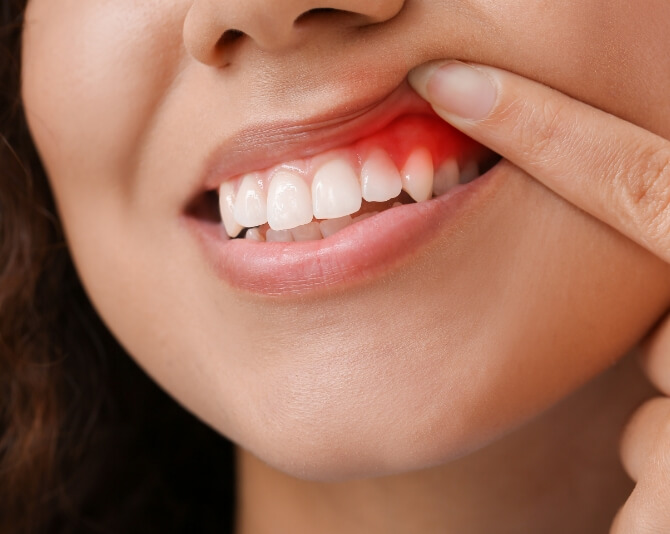
At least at first, the signs of gum disease can be pretty subtle. You’ll want to keep an eye out for potential symptoms. These include the following:
- Gum Tenderness
- Bleeding Gums
- Swollen Gum Tissue
- Chronic bad breath (i.e., halitosis)
- Gum Recession
- Tooth Sensitivity
- Loose Teeth
- Difficulty Chewing
Of course, Dr. Shah examines you for gum disease at every dental checkup. You can count on him for a final diagnosis. Still, keep up with preventive care just in case.
How Do We Treat Gum Disease?
There are several safe and effective ways we can treat gum disease, including a procedure called scaling and root planing, which is essentially a deep cleaning of the mouth. Performed in two equally important stages, your dental team will first remove the plaque below your gumline, and then, during the root planing stage they will smooth the roots of the teeth so it’s more difficult for dangerous bacteria to cling to them and your gums can healthily reattach.
To ensure you are comfortable during treatment, our team will use anesthesia and possibly sedation to make your procedure as pleasant as possible. Once treatment is completed, as long as you take excellent care of your teeth and gums going forward, you can expect long term results from this procedure.
Scaling & Root Planing

Scaling and root planing is a two-step procedure that aims to remove dangerous deposits of plaque and bacteria from below the gumline, where it can cause tooth decay and contribute to periodontal (gum) disease. The procedure is done in two parts: the scaling, where your dental team will clean below the gums and into the periodontal pockets, and the root planing, where the roots of your teeth will be smoothed so your gums can healthily reattach without the presence of dangerous bacteria.
Do You Need Scaling & Root Planing?
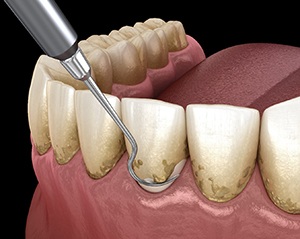
The best way to tell if you could benefit from scaling and root planing is to schedule a consultation with Dr. Shah and the team at Edison Prosthodontics. If you have receding gums, or a dangerous accumulation of plaque and bacteria below the gumline, you are likely a good candidate for this treatment. You may also require antibiotic therapy in conjunction with this procedure to help keep the gums safe and healthy while they heal.
The Process of Scaling & Root Planing
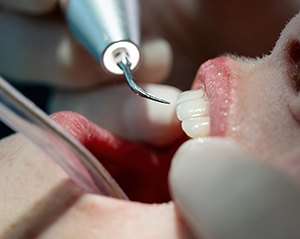
Scaling and root planing is a two-step process. First, your dental team will numb your mouth so that you remain comfortable during treatment. Then, they will deep clean your gum tissue, reaching below the gumline into the periodontal pockets. Following this first step, you will return for a second appointment, where Dr. Shah will numb your mouth again before smoothing the roots of the teeth to prevent new bacteria from accumulating and allowing your gums to reattach to the teeth.
Aftercare Tips for Scaling & Root Planing
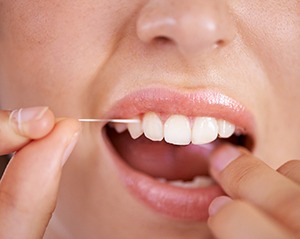
Following your scaling and root planing procedure, it’s normal for your gums to feel tender and inflamed. To make the healing process as comfortable as possible, follow these aftercare tips:
- Wait to eat or chew on anything until your anesthesia has worn off.
- Eat a soft diet for the next 48 hours.
- Don’t smoke, use tobacco products, or drink alcohol for at least 72 hours.
- Rinse your mouth frequently with warm saltwater to soothe it and keep it clean.
- Take prescription or OTC pain relivers as directed by Dr. Shah.
- Be very gentle when brushing and flossing your teeth.
- Attend all of your follow-up appointments at Edison Prosthodontics.
Laser Periodontal Treatment
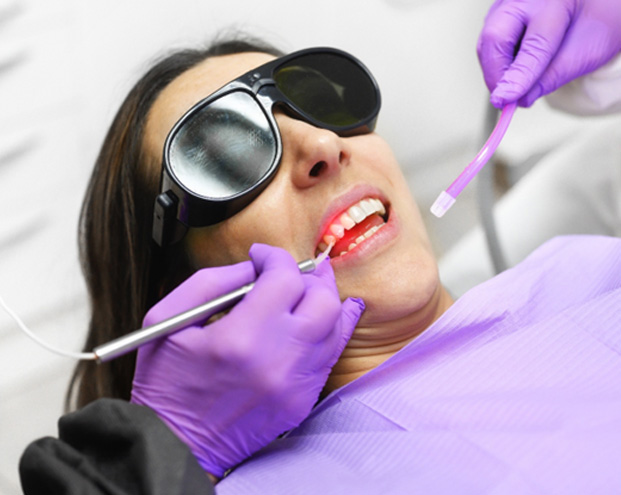
It used to be that when your periodontist needed to remove gum tissue damaged by periodontal disease, a scalpel and sutures were the best options. Today, we have the benefit of the amazing technology of the Epic and Biolase Dental Lasers. These soft-tissue lasers use a beam of concentrated light to safely and efficiently remove damaged gum tissue. But instead of cutting away the tissue, the light vaporizes it, cauterizing as it works. This means your treatment is not only more precise, but it usually doesn’t require sutures, making the overall experience faster and more comfortable from start to finish.
How Laser Periodontal Treatment Works
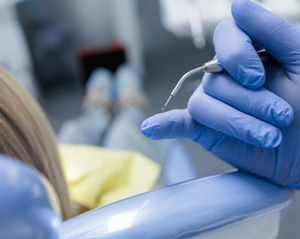
Laser periodontal treatment is typically done in conjunction with a deep cleaning of the teeth and gums known as scaling and root planing. It can also be done to treat several different stages of gum disease to minimize any inflammation and prevent the infection from spreading.
This treatment works by utilizing a soft tissue laser to remove the severely damaged gum tissue, even minimizing the presence of bacteria and helping the body fight off infection while you heal. Because it employs the laser, it is drastically less invasive than traditional surgery.
During the procedure, your periodontist will remove the inflamed tissue around the teeth, leaving behind only healthy tissue, which will reattach with time to the tooth, protecting its root structure. This is crucial, because when bacteria gain access to the roots, it increases the likelihood of tooth loss.
Following this step, your periodontist will then begin the scaling and root planing process, removing hardened deposits of plaque and tartar, and planing the roots of the teeth so the new, healthy gum tissue can attach.
The Benefits of Laser Periodontal Treatment
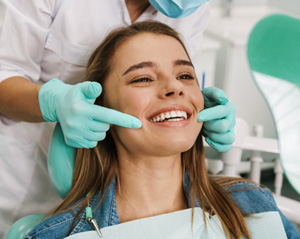
One of the best things about laser treatment is that it is much less invasive than cutting the tissue with a scalpel. Furthermore, because these lasers kill oral bacteria on contact, they reduce your risk of reinfection. The soft tissue laser also cauterizes as it works, meaning there is almost never a need for sutures. Lasers have even been found to cause less post-operative pain, as well as reduce bleeding and inflammation.
The precision of the soft tissue laser allows it to target only the affected tissue, keeping more of your healthy tissue intact. In fact, it can also reduce your risk of future infections, making it not just more comfortable, but mor effective than traditional methods, too!
Aftercare Tips for Laser Periodontal Treatment

Recovery from laser periodontal treatment is relatively fast. In fact, most patients recover 100% in about a week. This is quite impressive when compared to the two-to-four-week recovery periods for non-laser gum surgery!
Some slight swelling or sensitivity is normal, but you can take over-the-counter pain reliever like ibuprofen if approved by your doctor.
Be sure to maintain excellent oral hygiene following this treatment, including brushing twice a day and flossing daily. You may want to temporarily avoid certain foods, including those that are hot, cold, or spicy until your gums have healed.
If you are scheduled for a follow-up appointment, be sure to attend this, as your periodontist would like to make sure your gums are healing on schedule. In the meantime, if you experience anything out of the ordinary or if your pain gets worse instead of improving, please contact us as soon as possible.